
The Psychology Behind Strategically Pacing Your Alcohol Consumption During Extended Bar Crawls in Indianapolis
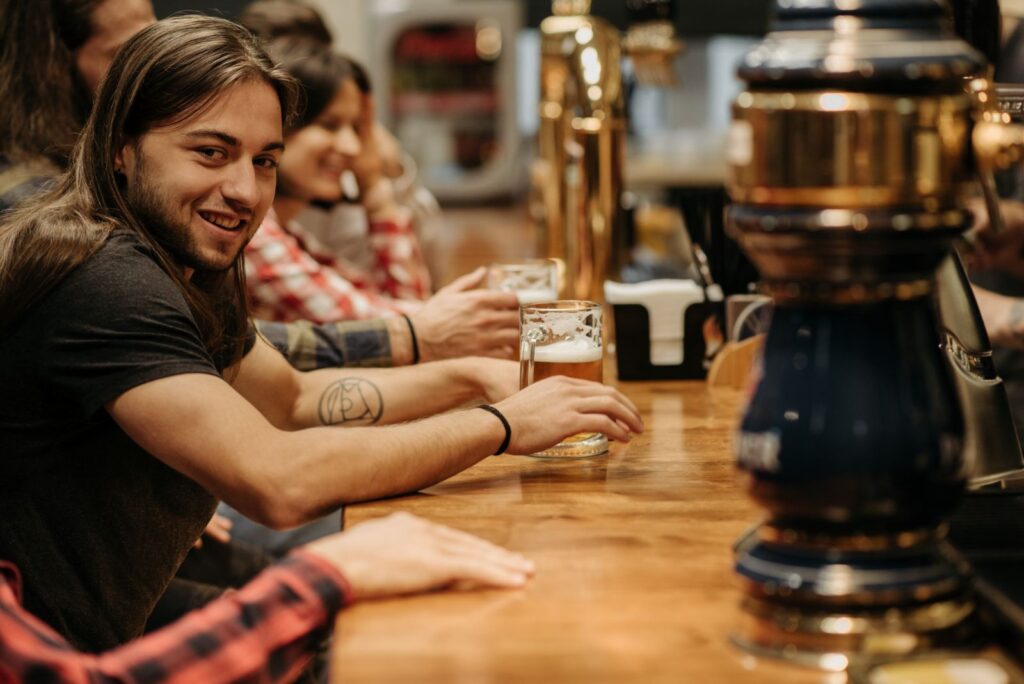
There’s something almost magical about a well-executed bar crawl. The energy of moving from venue to venue, discovering new atmospheres, meeting fellow revelers, and soaking in the vibrant nightlife of a city like Indianapolis — it’s an experience that deserves to be savored, not rushed. But here’s the thing: the difference between an unforgettable night and a regrettable one often comes down to something most people never think about before they head out — the psychology of pacing.
Whether you’re a seasoned Indianapolis bar-hopper or gearing up for your very first organized crawl with a group like Barcrawlerz, understanding the mental and physical science behind how you consume alcohol during an extended evening can genuinely transform your experience. This isn’t about being a buzzkill — it’s about being smart, staying present, and making the most of every stop along the way.
So grab a glass of water (yes, really — we’ll explain why soon), get comfortable, and let’s dive deep into the fascinating psychology behind strategic alcohol pacing on bar crawls in Indianapolis.
Why Pacing Matters More Than You Think on a Bar Crawl
Most people approach a bar crawl with one of two mindsets: either they’re overly cautious and barely drink at all, or they go full throttle from the first stop and fade out by bar number three. Neither extreme serves you well. The sweet spot — the place where enjoyment is maximized and health risks are minimized — lies in intentional, psychologically-informed pacing.
Bar crawls are marathon events, not sprints. An organized crawl through Indianapolis’s bustling Broad Ripple neighborhood or the lively Mass Ave corridor can span four to six hours and visit anywhere from five to ten different establishments. That’s a long time. Your body and your brain need to be managed thoughtfully if you want to feel great from the first bar to the last.
“The goal of a great bar crawl isn’t to drink as much as possible — it’s to feel the right amount of good for as long as possible.”
This distinction is everything. And it starts with understanding how alcohol actually affects your brain and body over time.
The Brain on Alcohol: A Psychological Primer
Before we get into strategy, let’s briefly look at what’s actually happening in your head when you drink. Alcohol is a central nervous system depressant, which means it slows down brain activity. But here’s the counterintuitive part — in the early stages of drinking, it actually inhibits the systems that make you feel anxious and self-conscious, which is why people often feel more social, confident, and euphoric after a drink or two.
The Euphoria Window: Your Best Friend on a Crawl
Psychologists and researchers refer to the early stages of alcohol consumption as the “ascending limb” — the period when your blood alcohol content (BAC) is rising and you feel the most positive effects. This is the window where you feel sociable, relaxed, witty, and genuinely happy. The key insight here is that this window is finite, and it’s the zone you want to stay in as long as possible throughout your bar crawl.
Once your BAC climbs too high too fast, you move into the “descending limb” — and this is where things get messy. Coordination suffers, judgment impairs, mood can swing negative, and the next morning starts to look a lot worse. The entire art of strategic pacing is about staying in that euphoric ascending window as long as possible.
Dopamine, Anticipation, and the Social Reward System
Here’s something really interesting: your brain actually releases dopamine — the feel-good neurotransmitter — not just when you drink, but when you anticipate drinking. The excitement of moving to the next bar, the buzz of a new environment, the social connection with your group — all of these trigger reward pathways in the brain that compound the positive feelings alcohol provides.
This means that a bar crawl, by its very nature, is a dopamine-amplifying experience. Each new venue is a fresh hit of novelty and anticipation. Smart pacing lets you ride this wave continuously rather than crashing early. Groups that crawl with Barcrawlerz in Indianapolis understand this intuitively — the structured movement from bar to bar is itself part of the psychological pleasure.
The Science of Blood Alcohol Content and Timing
Understanding BAC isn’t just for medical professionals — it’s genuinely useful knowledge for anyone who wants to have a great night out. Your liver can process approximately one standard drink per hour. A “standard drink” in the United States is defined as 14 grams of pure alcohol, which translates to roughly:
- 12 ounces of regular beer (about 5% ABV)
- 5 ounces of wine (about 12% ABV)
- 1.5 ounces of distilled spirits (about 40% ABV)
When you drink faster than your liver can process, BAC climbs. When you pace yourself at roughly one drink per hour — with food and water — your BAC remains relatively stable and manageable. This is the golden rule of bar crawl pacing.
The Timing Strategy for a Multi-Stop Crawl
Let’s say you’re doing a six-stop bar crawl in Indianapolis that runs from 6:00 PM to midnight. That’s six hours. If you have one drink at each stop, you’re looking at six drinks over six hours — a pace that most adults can handle comfortably, especially with food and hydration. But if you’re doubling up at every stop, you’re suddenly at twelve drinks in six hours, and your BAC is going to be in uncomfortable — and potentially dangerous — territory.
The psychological trick here is to be intentional about your first drink at each new bar. Give yourself time to settle in, check out the atmosphere, talk to your friends, and enjoy the novelty of the new space. You don’t need to have a drink in your hand every single second to be having a good time. In fact, the brief pauses between drinks are what let your brain reset and continue enjoying the experience fully.
Psychological Strategies for Staying in Control Without Losing the Fun
Here’s where the real psychology comes in. Staying in control on a bar crawl isn’t about willpower alone — it’s about understanding the mental patterns that lead to overdrinking and proactively countering them.
The Social Pressure Phenomenon
One of the biggest drivers of overdrinking on group outings is social pressure — both real and perceived. When everyone around you seems to be drinking heavily, your brain interprets this as a social norm and pushes you to match the behavior. This is called “descriptive norm influence,” and it’s incredibly powerful.
The antidote? Remind yourself that you’re in control of your own experience. You can absolutely participate in the social energy of a bar crawl without matching everyone else drink for drink. Holding a glass — even if it contains water or a non-alcoholic mocktail — satisfies the social ritual without the physiological consequences.
“You don’t have to drink fast to feel part of the group. The energy of the crawl is contagious on its own.”
Mindful Drinking: Being Present With Your Drink
Mindfulness has become a buzzword in wellness circles, but it has genuine applications in a bar crawl context. Mindful drinking simply means being fully aware of what you’re drinking, why you’re drinking it, and how it’s making you feel — as opposed to drinking on autopilot.
When you arrive at a new bar on the crawl, take a moment to actually look at the menu. Choose something you genuinely want to try, not just the first thing your friend orders. Sip it slowly and notice the flavors. Engage with the environment around you. This kind of intentional engagement slows your consumption naturally and actually increases your enjoyment, because you’re fully present rather than just going through the motions.
Indianapolis has an incredible craft beer and cocktail scene — from the innovative taprooms near Fountain Square to the sophisticated cocktail bars along Mass Ave. Barcrawlerz often routes crawls through venues that showcase the best of what the city has to offer. Taking the time to actually appreciate these drinks is its own reward.
The Anchoring Effect: Setting Your Own Pace Early
Psychologists have documented something called the “anchoring effect” — our tendency to rely heavily on the first piece of information we receive when making decisions. You can use this to your advantage on a bar crawl by deliberately setting a slow, intentional pace at the very first stop.
If you nurse your first drink and take your time at bar number one, you establish an internal anchor for the rest of the night. Your brain begins to normalize a slower pace, and you’re less likely to feel the urge to rush through subsequent drinks. On the other hand, if you throw back two shots at the first stop, you’ve anchored yourself to an aggressive pace that will be psychologically harder to pull back from.
The Role of Food and Hydration in Your Pacing Strategy
No discussion of alcohol pacing is complete without talking about food and water. These aren’t just practical considerations — they’re psychologically significant tools that can dramatically alter how alcohol affects you.
Eating Before and During the Crawl
Food slows the absorption of alcohol into your bloodstream, which means your BAC rises more gradually when you’ve eaten. This gives you more time in that pleasant euphoric window we talked about earlier. A solid meal before the crawl begins is one of the most effective things you can do to set yourself up for a great night.
During the crawl itself, snacking whenever food is available is a smart move. Many Indianapolis bars and crawl organizers like Barcrawlerz incorporate food stops or snack stations into the experience. Take advantage of these. Your future self will thank you.
The Hydration Imperative
Alcohol is a diuretic, meaning it increases urine production and can lead to dehydration relatively quickly. Dehydration amplifies the negative effects of alcohol — headaches, fatigue, impaired judgment — and is a major contributor to next-day hangovers.
The classic strategy of alternating alcoholic drinks with glasses of water isn’t just folk wisdom — it’s backed by physiology. Aim for at least one glass of water between every one or two alcoholic drinks. This keeps you hydrated, slows your overall alcohol intake, and helps your kidneys flush out byproducts more efficiently.
Psychologically, having water in your hand also gives you something to do between drinks without the pressure of ordering another alcoholic beverage immediately. It’s a simple but powerful tool.
Group Dynamics and How They Influence Your Drinking on a Crawl
Bar crawls are inherently social events, and the psychology of group dynamics plays a huge role in how much people drink. Understanding these dynamics can help you navigate them more skillfully.
The Role of the Group Mood
Groups tend to synchronize emotionally — a phenomenon researchers call “emotional contagion.” When the group is energetic and excited, that energy is genuinely infectious and can make you feel more intoxicated than you actually are. This is a wonderful thing when it comes to enjoying the crawl — but it can also mask how much you’ve actually had to drink.
Check in with yourself periodically throughout the night, independent of the group energy. Ask yourself: How do I actually feel right now? Am I tired? Dizzy? Slurring my words? These internal check-ins are important and shouldn’t be skipped just because everyone around you seems to be having a great time.
Designating a Pacing Buddy
One of the most effective strategies for a group bar crawl is to designate a “pacing buddy” — someone in your group who agrees to keep an eye on your consumption and vice versa. This isn’t about policing each other; it’s about mutual support. A good pacing buddy will gently remind you to drink some water, suggest skipping a round if you seem to be moving too fast, and check in on how you’re feeling throughout the night.
This buddy system is especially valuable on longer crawls. Organized events through Barcrawlerz in Indianapolis often attract groups of friends who already know each other well — making this kind of informal agreement easy and natural to set up before the first stop.
Recognizing Your Personal Limits and Respecting Them
Every person metabolizes alcohol differently. Factors like body weight, biological sex, genetics, tolerance, fatigue, and medications all play a role in how alcohol affects you specifically. Knowing your own limits is not a sign of weakness — it’s a sign of self-awareness and maturity.
Reading Your Own Signals
Your body sends clear signals when it’s had enough — the challenge is learning to listen to them even when the party around you is still going strong. Some key signals to watch for include:
- Feeling unusually warm or flushed
- Difficulty focusing on conversations
- Slight dizziness or loss of balance
- Slowed or slurred speech
- Increased emotional sensitivity
- Feeling nauseous
If you notice any of these, it’s time to switch to water, grab some food, and take a breather. The crawl will continue, and you’ll enjoy it far more if you give your body a chance to catch up.
The Permission to Switch to Non-Alcoholic Options
Here’s something important that doesn’t get said enough: it is completely okay — and genuinely smart — to switch to non-alcoholic drinks mid-crawl. A sparkling water with lime looks exactly like a gin and tonic. A fancy mocktail is often just as enjoyable as its alcoholic counterpart. Many Indianapolis bars have expanded their non-alcoholic offerings significantly in recent years, making this easier than ever.
Giving yourself explicit permission to make this switch — without guilt or social embarrassment — is a key psychological move. You’re not “quitting” the crawl; you’re extending your ability to participate in it fully and enjoyably all the way to the last bar.
Making the Most of Indianapolis’s Bar Crawl Scene
Indianapolis is genuinely one of the Midwest’s most underrated nightlife cities. From the eclectic bars of Broad Ripple to the sophisticated venues along Massachusetts Avenue, from the craft beer havens near Fountain Square to the lively spots downtown near Lucas Oil Stadium, there is no shortage of incredible places to explore on a crawl.
Barcrawlerz has built a reputation in Indianapolis for curating bar crawl experiences that are fun, well-organized, and genuinely memorable. Their routes are designed to showcase the best of what the city has to offer while giving participants enough time at each venue to actually enjoy the experience — which, as we’ve discussed, is exactly the kind of structure that supports healthy pacing.
Leveraging the Crawl Structure to Your Advantage
One of the underappreciated benefits of joining an organized bar crawl rather than just bar-hopping on your own is that the structure itself supports better pacing. There’s a set amount of time at each venue, a clear route, and a built-in rhythm to the evening. This structure naturally prevents the aimless lingering at one bar that often leads to overdrinking.
Use the transitions between bars as your natural reset moments. Walk briskly between venues (Indianapolis’s walkable neighborhoods make this easy), drink some water, take some deep breaths, and let your body process what it’s had before you arrive at the next stop. These transition moments are golden opportunities for pacing.
The Morning After: Why Good Pacing Pays Dividends
Let’s be honest — one of the most compelling arguments for strategic pacing is how you feel the next day. A well-paced bar crawl means waking up with your memories intact, your body feeling reasonably okay, and a genuine sense of satisfaction from a night well spent. A poorly paced one means the opposite of all of those things.
The psychological reward of waking up feeling good after a bar crawl is significant. It reinforces positive associations with the experience, makes you more likely to go out and do it again, and — perhaps most importantly — means you can actually remember and enjoy the memories you made.
“The best bar crawl is the one you remember fondly the next morning, not the one you can barely remember at all.”
Post-Crawl Recovery Tips
Even with perfect pacing, a long night out calls for some intentional recovery. Before you go to sleep, drink a large glass of water and eat something if you can. Keep a glass of water on your nightstand. If you have electrolyte packets, this is a great time to use one. These simple steps can make a significant difference in how you feel the next morning.
Give yourself permission to sleep in if your schedule allows, and plan a gentle, nourishing day after a big night out. Your body will appreciate the recovery time, and you’ll be ready to do it all again sooner rather than later.
Bringing It All Together: Your Bar Crawl Pacing Plan
So what does a psychologically-informed, strategically-paced bar crawl actually look like in practice? Here’s a simple framework you can apply to your next night out in Indianapolis:
Before You Go Out
Eat a solid meal. Not a snack — a real meal with protein, fat, and carbohydrates. Drink plenty of water throughout the day. Get enough rest the night before. Set a mental intention for the kind of night you want to have — fun, social, present, and in control.
At Each Bar
Take a few minutes to settle in before ordering. Choose your drink mindfully. Sip rather than gulp. Alternate with water. Engage fully with your surroundings, your friends, and the atmosphere. Check in with yourself honestly about how you’re feeling.
During Transitions
Walk between venues when possible. Drink water. Breathe fresh air. Let your body process what it’s had. Use this time to connect with your group and build anticipation for the next stop.
Throughout the Night
Listen to your body’s signals. Don’t be afraid to switch to water or a mocktail. Lean on your pacing buddy. Remember that the goal is to feel great all night long — not to hit peak intoxication as fast as possible.
Final Thoughts: Drink Smart, Enjoy More
The psychology of alcohol pacing on a bar crawl comes down to a simple truth: the more intentional you are about how you drink, the more you’ll enjoy the experience. This isn’t about restriction — it’s about optimization. It’s about staying in that sweet spot of social ease and genuine enjoyment for the full duration of the night, rather than burning bright and fading fast.
Indianapolis has an incredible bar scene, and organizations like Barcrawlerz have done the work of creating experiences that showcase the best of it. When you show up with a pacing strategy in hand, you’re not just protecting your health — you’re giving yourself the best possible chance of having a truly great time from the very first bar to the very last.
So the next time you strap on your crawling shoes and hit the streets of Indianapolis, remember: pace yourself, drink water, eat something, stay present, and enjoy every single stop along the way. The city is waiting for you, and the night is long enough to savor every moment of it.
Cheers — wisely and warmly — to your next great bar crawl adventure.