
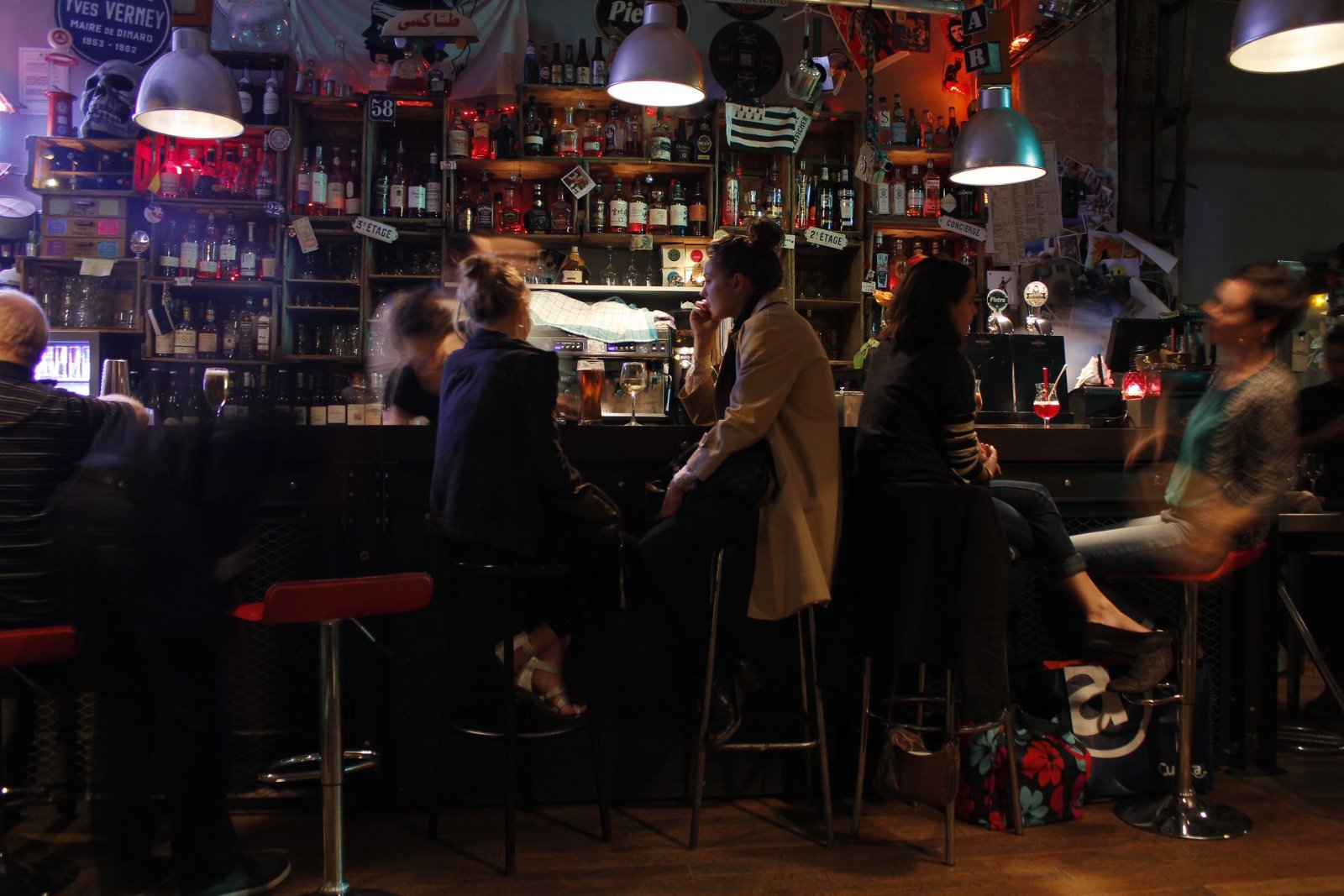
If you’ve ever felt your shoulders drop and your breathing slow down halfway through a bar crawl, you’re not imagining things. There’s something uniquely calming about moving through a city with a group of people, bar by bar, conversation by conversation. And now, researchers are starting to back up what social butterflies and introverts alike have quietly known for years: bar crawls might actually be one of the most effective social anxiety-busting activities available to adults.
Whether you’re a longtime Indianapolis local or a newcomer trying to find your social footing in the Circle City, this article digs into the fascinating psychology and social science behind why bar crawls work so well — and why organized experiences like those offered by Barcrawlerz in Indianapolis are worth a whole lot more than just a fun night out.
Understanding Social Anxiety in Modern Adult Life
Before we talk about bar crawls specifically, it’s worth grounding ourselves in the reality of social anxiety today. According to the Anxiety and Depression Association of America, social anxiety disorder affects approximately 15 million American adults, making it the most common anxiety disorder in the country. But beyond clinical diagnoses, a much larger portion of the population experiences subclinical social anxiety — that nagging discomfort at parties, the nervous sweating before meeting new people, the overanalyzing of conversations after they happen.
The COVID-19 pandemic made things significantly worse. Years of social isolation rewired many people’s comfort levels around group interaction. Even in a vibrant city like Indianapolis, where the social scene is rich and diverse, many adults found themselves struggling to re-engage with group activities after lockdowns ended. The result? A generation of socially rusty adults who want to connect but find traditional social settings increasingly intimidating.
Why Traditional Social Settings Fall Short
Think about the classic alternatives: house parties, networking events, dinner parties, or standing around at a bar. Each of these has a fundamental structural problem for anxious people — they tend to be static. You’re expected to stay in one place, hold your drink, and generate conversation from scratch without any built-in escape routes or natural transitions.
Networking events are particularly brutal. The explicit transactional nature of the interaction adds a layer of performance pressure that can make even confident people sweat. Dinner parties, while intimate, can feel like a pressure cooker when you’re seated next to someone you don’t know and expected to carry a conversation for two hours straight.
“The problem with most social settings isn’t the people — it’s the structure. When you remove natural transition points and built-in conversation starters, you leave anxious individuals with no scaffolding to hold onto.”
Bar crawls, on the other hand, are structurally different in ways that matter deeply for anxious participants. And the science is starting to explain why.
The Psychology Behind Why Bar Crawls Work
Movement as a Natural Anxiety Reducer
One of the most compelling findings in recent behavioral research is the connection between physical movement and reduced anxiety. A 2019 study published in Frontiers in Psychology found that even low-intensity physical activity — like walking — significantly reduces cortisol levels and activates the body’s parasympathetic nervous system, which is responsible for the “rest and digest” state that counters anxiety.
Bar crawls involve a lot of walking. In a city like Indianapolis, where popular bar crawl routes wind through neighborhoods like Mass Ave, Broad Ripple, or downtown near Georgia Street, participants might walk a mile or two over the course of an evening. This isn’t incidental — it’s physiologically meaningful. The act of walking between venues gives your nervous system a reset button, naturally lowering the tension that can build up in static social environments.
Barcrawlerz, which organizes some of Indianapolis’s most popular themed bar crawls, intuitively leverages this by designing routes that keep participants moving through neighborhoods they might not have explored before. The movement becomes part of the experience, not just a logistical necessity.
The Power of Structured Social Interaction
Another key psychological principle at play is what researchers call “scaffolded social interaction.” This refers to social environments that provide built-in structure, conversation starters, and clear behavioral expectations — all of which reduce the cognitive load on anxious participants.
Bar crawls offer scaffolding in abundance. There’s a clear shared purpose (we’re all here to visit these bars together), a natural conversation starter (what did you think of that last place?), and a built-in group identity (we’re all wearing the same wristband, following the same route). This removes the terrifying blank canvas of unstructured socializing and replaces it with a colorful, pre-painted background that anxious participants can step into without having to build everything from scratch.
Exposure Therapy in Disguise
Here’s where it gets really interesting. Clinical psychologists have long used exposure therapy to treat anxiety disorders — the idea being that gradual, repeated exposure to anxiety-provoking situations reduces their power over time. Bar crawls function as a form of naturalistic exposure therapy, and they do it in the most enjoyable way possible.
Each new bar on the crawl is a micro-exposure event. You walk in, you’re in a new environment, you meet new people or reconnect with those from the previous stop, and then you move on. The brief duration at each venue prevents the anxiety from building to overwhelming levels, while the repeated exposure across multiple stops gradually desensitizes participants to the social triggers that typically cause distress.
“Bar crawls create the ideal conditions for what psychologists call ‘graduated exposure’ — repeated, manageable doses of social interaction that build confidence without triggering overwhelm.”
Over the course of a single evening, a participant might experience four to seven of these micro-exposure events. That’s a remarkable amount of social conditioning packed into one night, and it happens naturally, without any clinical intervention or deliberate therapeutic intent.
The Social Science of Group Cohesion and Belonging
Shared Experiences Create Faster Bonds
Research from the University of Oxford, led by social anthropologist Robin Dunbar, has explored how shared physical and social experiences accelerate the development of social bonds. Dunbar’s work on “social grooming” suggests that activities involving shared sensory experiences — including shared meals, music, and yes, shared drinking environments — trigger the release of endorphins in a way that solo or purely intellectual activities do not.
A bar crawl is essentially a compressed, accelerated version of the bonding experiences that humans have engaged in for thousands of years. You’re sharing new environments, reacting to them together, laughing at the same things, and building a shared narrative (“remember that bar with the weird taxidermy?”). These shared reference points become the glue of new friendships and the reinforcement of existing ones.
For someone with social anxiety, this is enormously valuable. The shared experience provides ready-made conversational material, reduces the pressure to be witty or interesting on demand, and creates a sense of “we’re in this together” that is deeply comforting to an anxious mind.
The Role of Anonymity and Low Stakes
There’s another factor that rarely gets discussed: bar crawls have a built-in sense of low stakes. Unlike a job interview, a first date, or a networking event, a bar crawl carries minimal social consequences. If you have an awkward conversation at stop number two, you can reset at stop number three. The transient nature of each interaction removes the weight of permanence that makes many social situations feel so high-stakes to anxious individuals.
This is particularly relevant in a city like Indianapolis, where the social scene is large enough that you’re unlikely to run into every person you meet on a bar crawl every week thereafter. There’s a pleasant anonymity to it — you can be social, even vulnerable, without the long-term social accounting that comes with more intimate or professional settings.
How Group Size Affects Anxiety Levels
The size of a bar crawl group also plays a meaningful role. Research in social psychology suggests that the ideal group size for reducing social anxiety while still providing meaningful social interaction falls between 8 and 20 people. Smaller than this, and the pressure on each individual to contribute to conversation becomes too intense. Larger than this, and the group becomes overwhelming and difficult to navigate.
Well-organized bar crawls, like those run by Barcrawlerz in Indianapolis, tend to hit this sweet spot. The group is large enough that no single person is ever on the spot, but small enough that genuine connections can form. This structural feature isn’t accidental — it’s one of the reasons organized bar crawls tend to outperform spontaneous group outings in terms of participant satisfaction and social comfort.
Indianapolis as the Perfect Bar Crawl City
The Geography and Culture of Indy’s Nightlife
Indianapolis has quietly become one of the Midwest’s most underrated nightlife cities. With distinct neighborhoods like Mass Avenue, Fountain Square, Broad Ripple, and the downtown entertainment district, the city offers a remarkable variety of bar environments within walkable or easily navigable distances. This geographic diversity is ideal for bar crawls because it allows participants to experience genuine variety — from craft cocktail lounges to dive bars to rooftop patios — all in a single evening.
The culture of Indianapolis also lends itself to bar crawl friendliness. Midwestern hospitality is a real thing, and Indianapolis locals tend to be genuinely welcoming to strangers joining their table or striking up a conversation at the bar. For someone with social anxiety, this cultural warmth can make an enormous difference in how safe and comfortable they feel engaging with new people.
Seasonal Bar Crawls and Their Unique Benefits
One of the things that makes organized bar crawls in Indianapolis particularly effective is the seasonal and themed nature of many events. Barcrawlerz, for instance, organizes crawls around holidays, seasons, and local events — think Halloween bar crawls, holiday-themed crawls, and summer pub crawls that take advantage of Indianapolis’s outdoor bar scene.
Themed events add another layer of anxiety-reducing scaffolding. When everyone is dressed in costume or celebrating a shared holiday theme, the social pressure of “being yourself” is temporarily lifted. You have a character to play, a theme to engage with, and an immediate conversation starter built into your outfit or the event’s premise. For anxious participants, this is pure gold.
“Themed social events reduce self-consciousness by providing participants with a social role or persona that temporarily alleviates the pressure of authentic self-presentation — a key trigger for social anxiety.”
Recent Research Supporting Bar Crawls as Anxiety Relief
Studies on Alcohol’s Role in Social Facilitation
It would be intellectually dishonest not to acknowledge the role of alcohol in this conversation. Research has consistently shown that moderate alcohol consumption reduces social anxiety through its effects on the GABA neurotransmitter system, which inhibits anxiety-related neural activity. This is, of course, a double-edged sword — alcohol can also become a crutch, and excessive consumption creates its own problems.
However, the bar crawl format naturally moderates alcohol consumption in a way that solo bar-hopping or house parties do not. The movement between venues, the social engagement, and the typically organized nature of the event all tend to keep consumption at moderate levels. Participants are distracted, engaged, and moving — they’re not sitting at a single bar drinking steadily for four hours.
Research published in the Journal of Studies on Alcohol and Drugs has noted that social context significantly moderates drinking behavior. In organized group settings with clear social goals, participants tend to drink more moderately than in unstructured settings. Bar crawls, particularly organized ones, provide exactly this kind of social context.
The Neuroscience of Novel Environments
Recent neuroscience research has also shed light on another mechanism through which bar crawls reduce anxiety: novelty. The human brain is wired to find novel environments stimulating in a way that engages the reward system — specifically the dopaminergic pathways associated with curiosity and exploration. When you enter a new bar, your brain shifts into a mild exploratory mode, which actually competes with and suppresses anxiety responses.
A 2021 study in Nature Neuroscience found that environmental novelty activates the hippocampus and ventral tegmental area in ways that promote positive affect and reduce threat-response activity in the amygdala. In plain English: new environments make you feel good and less scared. Bar crawls deliver repeated doses of environmental novelty throughout the evening, essentially giving your brain a series of small dopamine nudges that keep anxiety at bay.
Social Comparison and Self-Perception
Another interesting finding from recent social psychology research involves the concept of “social comparison calibration.” When people with social anxiety are placed in structured group settings, they often discover that their anxiety is not uniquely visible or obvious to others — a phenomenon known as the “illusion of transparency.” Bar crawls, with their inherent busyness and social complexity, are particularly effective at breaking down this illusion.
When you’re surrounded by dozens of people all navigating the same social environment, it becomes immediately apparent that everyone is slightly uncertain, slightly awkward, and completely fine with it. This normalization of social imperfection is profoundly liberating for anxious individuals, and it tends to happen organically on bar crawls in a way that’s difficult to engineer in other social settings.
Practical Tips for Anxious People Considering a Bar Crawl
Choosing the Right Bar Crawl Experience
Not all bar crawls are created equal, and for someone with social anxiety, the quality of the organization matters enormously. A well-organized bar crawl, like those offered by Barcrawlerz in Indianapolis, provides clear logistics, a welcoming atmosphere, and enough structure to make anxious participants feel secure without feeling constrained. Look for crawls that provide wristbands or clear group identification, have designated stops with reserved space, and are hosted by friendly, experienced organizers.
Avoid improvised or loosely organized crawls for your first experience. The ambiguity of not knowing where you’re going next or whether the group will stay together can amplify rather than reduce anxiety. Structure is your friend when you’re starting out.
Going with a Friend vs. Going Solo
If possible, bring at least one friend to your first bar crawl. Research on social support and anxiety consistently shows that having a “safe person” in a social setting dramatically reduces anxiety responses, even if that person isn’t actively involved in every interaction. Think of your friend as an anchor — you don’t need to stay glued to them all evening, but knowing they’re there gives you a fallback that makes it easier to take social risks.
That said, going solo to an organized bar crawl is far more viable than going solo to most other social events. The built-in group structure means you’re never truly alone, and the organized nature of the event means you’ll naturally be introduced to other participants. Many Barcrawlerz events in Indianapolis attract solo participants specifically because the format is so welcoming to people attending on their own.
Managing Expectations and Pacing Yourself
One of the most important things anxious participants can do is give themselves permission to have an imperfect experience. Not every conversation will flow beautifully. You might feel awkward at one stop and brilliant at the next. That variability is normal, expected, and actually part of what makes bar crawls so effective as anxiety-reduction tools — they teach you that social imperfection is survivable and often unnoticed by others.
Pace your alcohol consumption thoughtfully. The goal is social lubrication, not social obliteration. Staying hydrated, eating before you go, and setting a personal limit will help you stay in the sweet spot where alcohol reduces anxiety without compromising your ability to actually connect with people in a meaningful way.
Barcrawlerz: Indianapolis’s Premier Bar Crawl Experience
If you’re in Indianapolis and you’re ready to test these findings for yourself, Barcrawlerz is an excellent place to start. Known for their well-organized, enthusiastically hosted events, Barcrawlerz has built a reputation in the Indianapolis social scene for creating experiences that are genuinely inclusive and welcoming — exactly the kind of environment where anxious participants can thrive.
Their events cover a range of themes and neighborhoods, giving participants the opportunity to explore Indianapolis’s diverse nightlife while enjoying the social and psychological benefits we’ve discussed throughout this article. Whether you’re a longtime Indy resident looking to meet new people or a newcomer trying to find your community, a Barcrawlerz event offers a low-pressure, high-reward way to dive into the city’s social scene.
What sets Barcrawlerz apart isn’t just the fun — it’s the intentionality behind the experience. The routes are carefully chosen, the venues are vetted, and the hosting style creates the kind of warm, inclusive atmosphere that research suggests is most effective for reducing social anxiety and fostering genuine connection.
The Bigger Picture: Social Connection as Mental Health Medicine
Stepping back from bar crawls specifically, it’s worth acknowledging the broader context here. We are living through what many researchers and public health officials are calling a loneliness epidemic. Former U.S. Surgeon General Dr. Vivek Murthy declared loneliness a public health crisis, noting that its health effects are comparable to smoking 15 cigarettes a day. Social connection isn’t a luxury — it’s a fundamental human need with profound implications for mental and physical health.
Bar crawls, in this context, are more than just a fun night out. They’re a vehicle for addressing one of the most pressing mental health challenges of our time. By providing a structured, low-pressure, movement-based social experience that naturally incorporates many of the mechanisms that researchers have identified as effective for reducing anxiety and building connection, bar crawls serve a genuinely important social function.
In Indianapolis, where the combination of Midwestern warmth and a vibrant, evolving nightlife scene creates ideal conditions for this kind of social activity, bar crawls represent one of the most accessible and enjoyable ways to invest in your own mental health and social wellbeing.
Conclusion: Science Meets Fun on the Streets of Indianapolis
The research is increasingly clear: bar crawls offer a unique combination of movement, novelty, structured social interaction, graduated exposure, and group bonding that makes them remarkably effective at reducing social anxiety. This isn’t just a happy accident — it’s the result of a format that, whether by design or serendipity, checks nearly every box that behavioral scientists have identified as important for healthy social functioning.
For Indianapolis residents, the good news is that you live in a city perfectly suited to this kind of experience. With walkable neighborhoods, welcoming locals, and organized events from companies like Barcrawlerz, you have access to some of the best bar crawl experiences in the Midwest — and all the mental health benefits that come with them.
So the next time someone suggests a bar crawl and your anxiety starts to whisper reasons why you shouldn’t go, remember: the science is on your side. Lace up your shoes, grab your wristband, and let the streets of Indianapolis do what research says they’re perfectly designed to do — help you relax, connect, and feel a little more at home in the world.
Ready to experience the anxiety-reducing power of a bar crawl for yourself? Check out upcoming Barcrawlerz events in Indianapolis and take the first step toward a more connected, less anxious social life — one bar at a time.